
Looking at the numbers, the Stellantis board was right to be concerned about Carlos Tavares’ leadership: 6·5 million units sold in 2023, down to 5·53 million in 2024, and 5·43 million in 2025. Its market cap has tumbled to €21 milliard, less than half of Volkswagen’s. Earlier in April, Stellantis announced that the historical Poissy plant would stop making cars and deal with parts and reycling, while it was looking at sharing plants with Dongfeng. The belief that all of Stellantis’s brands could become far greater—PSA talked of Opel going global once it was released from the confines of GM, for instance—has not come to pass, and Reuters reports that new CEO Antonio Filosa will focus only on four brands.
Those lucky four might surprise some. Jeep is no surprise: it’s been a decent breadwinner for its previous owners, at AMC, Chrysler, Fiat, and now Stellantis. Ram is interesting, but perhaps not surprising, either, considering its platforms can’t really be shared with other brands readily.
That leaves Peugeot and Fiat. Peugeot has done reasonably well of late, especially with its crossovers, and kept a presence in the Chinese market even as French cachet means less and less to a sophisticated Chinese market. (On that note, Peugeot wants to renew its Chinese presence with partner Dongfeng, and new models are to come.)
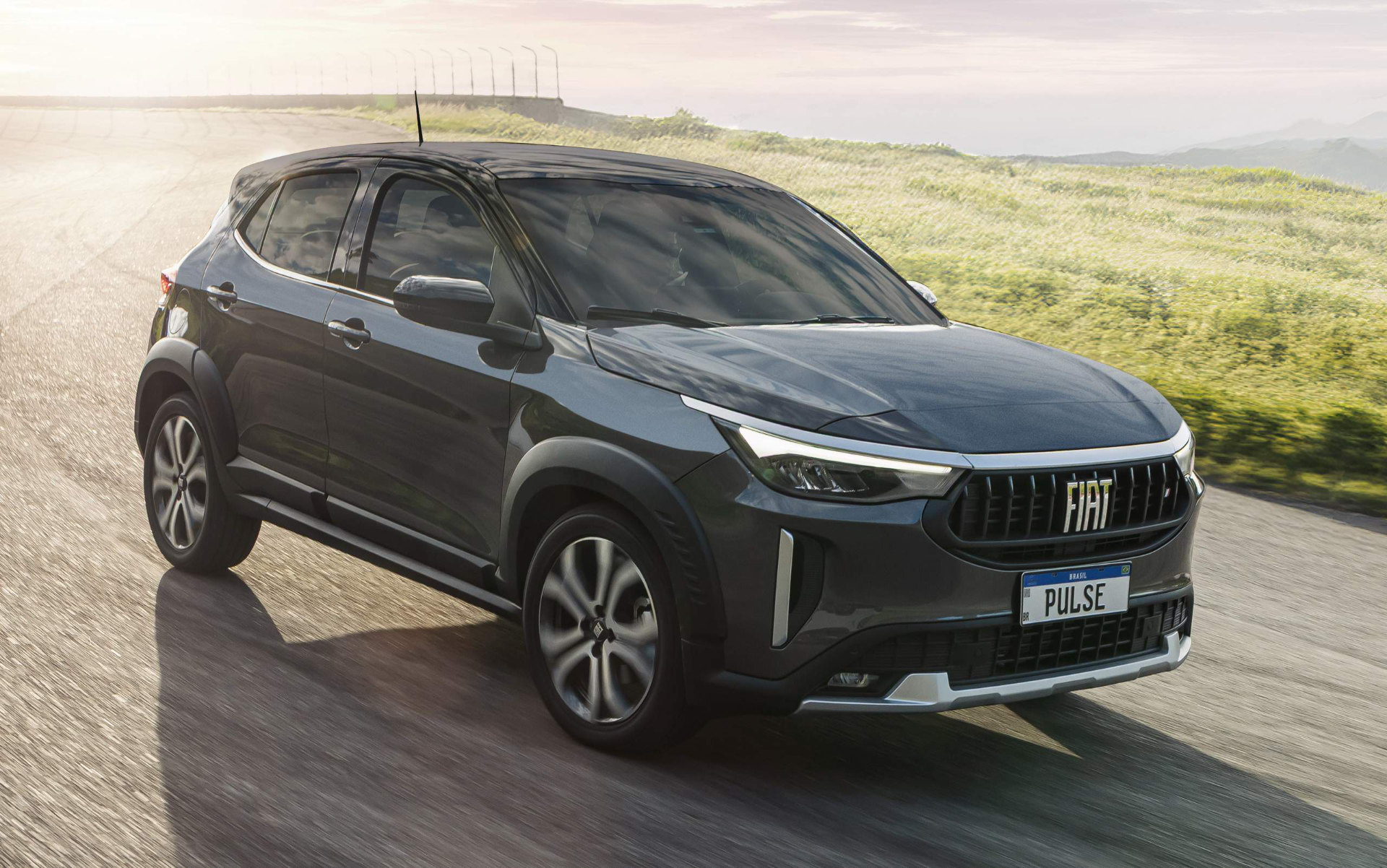
Fiat may both surprise and not surprise. Given that Exor is the listed holding company of the Agnelli family and owns 15·5 per cent of Stellantis, of course there’s a historical reason for Fiat to continue while the founding family holds substantial voting rights. But at the same time, Fiat became a shell of itself, with Italy no longer its biggest market. For years, it had a lot of model sharing with others, while a lot of its own products stemmed from the ageing Grande Punto platform. The Egea and Tipo models were underwhelming. In some countries, it’s largely forgotten with the exception of the 500.
What Filosa plans to do is invest more heavily in these four. Its other 10 brands will pick up and adapt technologies meant for the four. Some will become merely regional or national, so there goes Opel’s global plans (its re-entry into New Zealand, for instance, was mostly a flop, and while under GM, it failed to make a dent in Australia, too). Don’t expect this storied German brand to expand back into multiple segments beyond what’s already well set in motion. We said that DS was weak last year, too dependent on the brand equity of Citroën, while Citroën itself has disappeared from some markets (Australia again, for instance). We can’t see Chrysler having much meaning outside of North America, and Dodge has already been regionalizing. Lancia had been weakened for years and Tavares gave it a reprieve, but whether it will have much life outside of Italy remains to be seen, since it wasn’t really given a chance to shine beyond its home market with its recent renaissance. Vauxhall, of course, will remain UK-only, but it will rise and fall with Opel; if Opel ultimately fails then who knows if Vauxhall might wind up selling rebadged products from other Stellantis marques?
There’s no talk of axing brands, which we think is a wise decision, considering rationalization has not always worked well: both British Leyland and GM suffered as a result of not understanding each brand’s potential and market positioning. (We predicted the latter in Condé Nast Portfolio when Pontiac and Saturn faced the chop.) But something had to happen, and Filosa may be right to have his four “anchor” brands while keeping watch on the others. Previously, under Tavares, the brands received investment more evenly.
The other limb to the strategy is partnering with Leapmotor, with an Opel-branded electric SUV a joint project.
We’re not going to make a call just yet, but readers may have sensed our uncertainty over the fate of the group in Year of Cars 2025.
What we will say is that the Chinese car makers are not going to let up, and Stellantis has its work cut out for it. However, they may find these brands have equity beyond that they themselves can muster, and the Opel EV could be just the first of many Chinese-tech cars with heritage brands—the MG route, if you will.
Originally published in Autocade World.